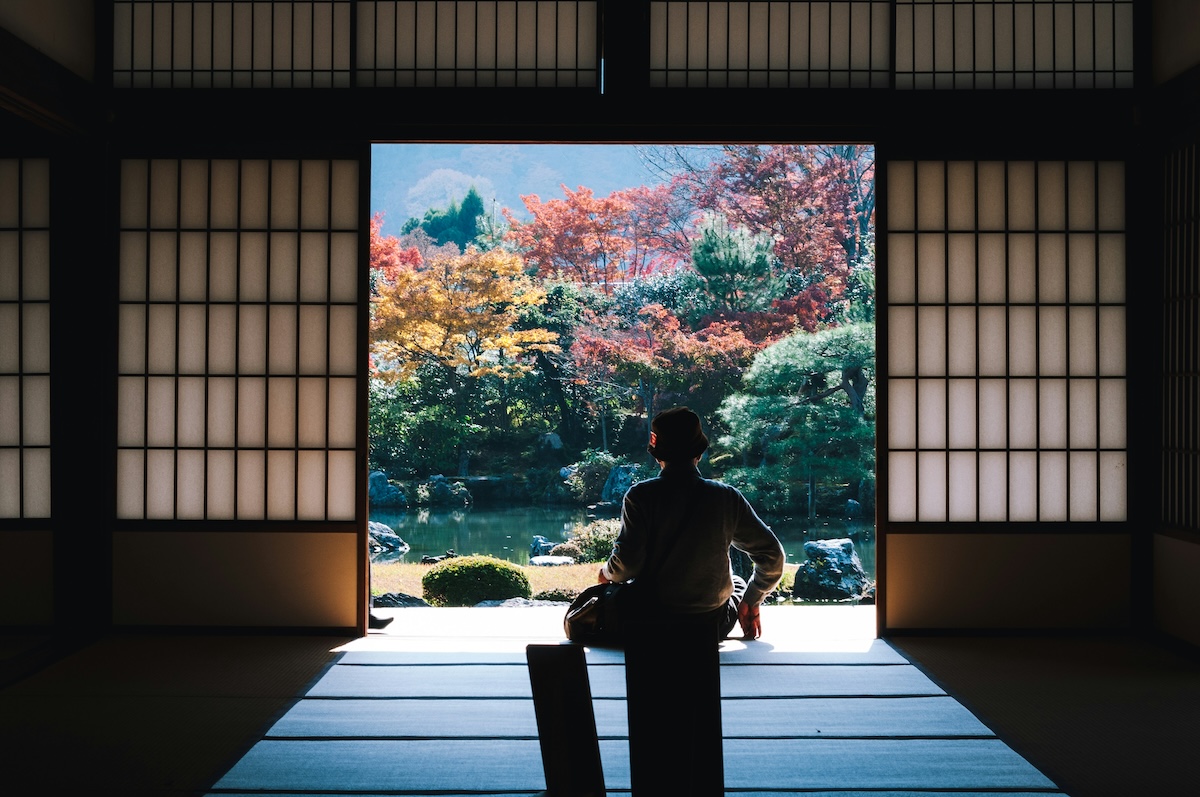
Visitors to Japan often notice small things that seem a little puzzling. On a busy train platform, people quietly line up in neat rows at marked spots. At a restaurant, a warm towel is placed in front of you before you even look at the menu. People say “itadakimasu” before they take the first bite of a meal.
None of these habits are random. They all come from a way of thinking that is still passed down at home and at school today. Growing up in Tokyo, I never stopped to question them. It was only after moving to Canada that I began to see them from the outside.
At the heart of many Japanese customs is kizukai (気遣い), which means paying attention to how other people feel, sometimes before they say a word.
In this article, you will learn:
- What omotenashi really means, and why tipping isn’t needed in Japan
- How “reading the air” helps keep harmony in everyday life
- Why humble words are a sign of respect
- How cleanliness is about thinking of the next person
- How the seasons shape food and decorations throughout the year
- Where Japanese people learn these values growing up
Omotenashi: Hospitality Without Expecting Anything Back
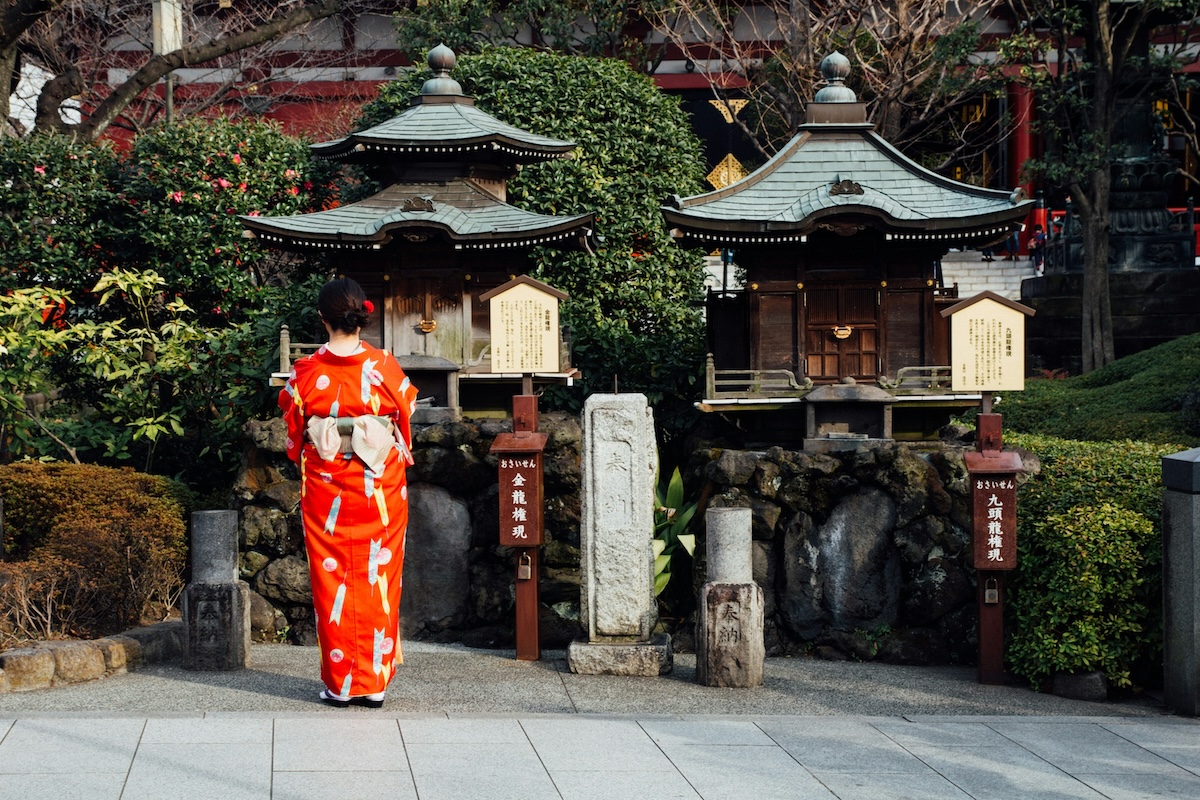
The word omotenashi is usually translated as “hospitality,” but many Japanese people explain it in a different way. One popular explanation is that the word can be read as omote-nashi, meaning “no front side.” In other words, there is no hidden goal behind the kindness. You are not being nice to make a sale or to get something back. You are simply taking care of the person in front of you.
There is also a well-known phrase often connected to this spirit: ichigo ichie (一期一会), or “one time, one meeting.” It reminds people that each meeting with someone may never happen in exactly the same way again, so it deserves your full care.
You will notice this attitude in hotels and restaurants, of course, but also in places where you might not expect it.
Great Service, No Tip Needed
In Japan, there is no tipping culture. In fact, leaving money on the table may cause staff to run after you to return it, thinking you forgot it.
Even so, staff work carefully, greet you warmly, and pay attention to small details. In Japan, good service is seen as part of the job itself, not something you pay extra for.
A Taxi Ride with White Gloves
Taking a taxi in Japan can feel a little special. Many drivers wear neat uniforms and white gloves, and some seats are covered with white lace cloths. The back door opens and closes by itself, so you don’t need to touch the handle at all.
Drivers also take pride in a calm, safe ride. The car is usually spotless inside, and the driver may help load your suitcase without being asked. It is a quiet kind of care that makes even a short ride comfortable. And of course, there is no need to leave a tip.
Lost Things Come Back
Many travelers are amazed to find that lost items often come back in Japan. If someone finds a wallet on the street or a phone left on a train, they usually take it to a koban (a small local police box) or to the station staff. Large stations even have their own lost-and-found offices.
The person who returns it usually does not know the owner and will never meet them. They do it simply because they imagine how worried that person must feel. In a way, this is omotenashi for a stranger.
Seeing Guests Off
At many ryokan (traditional Japanese inns), the staff come outside when you leave. They bow and wave until your car or bus is completely out of sight. This custom is called miokuri, which means “seeing someone off.”
You may also notice that when you come back to your room, your shoes have been turned around to face the door, so you can easily slip them on when you leave. Moments like these show that omotenashi is not only about what happens while you are there. It is also about how you feel when you leave.
Wa: Keeping the Harmony
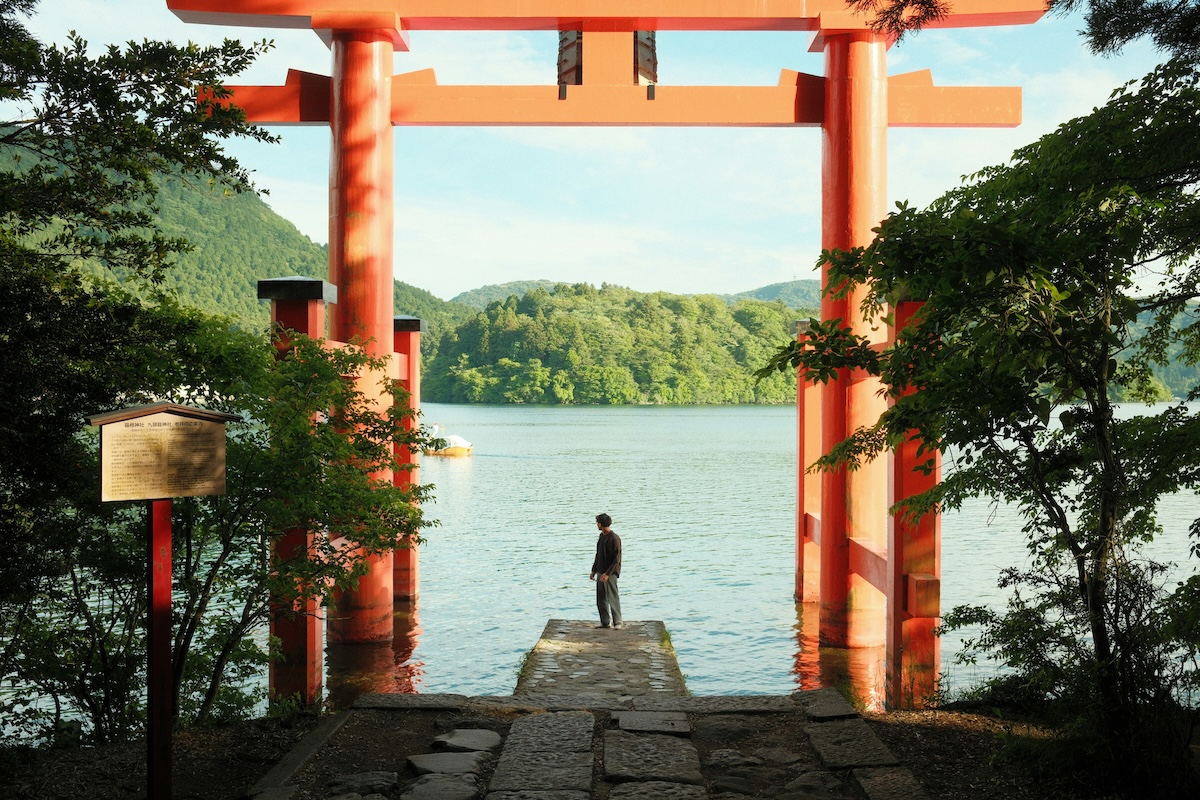 Photo by Muhammad Rahiman Abdulmanab on Unsplash
The Japanese character wa (和) means “harmony” or “peace.” It is such an important idea that the same character is also used to mean “Japanese.” For example, washoku means Japanese food, and wafuku means Japanese clothing. In a way, harmony is written right into the name of the culture.
In daily life, wa means trying to keep things smooth and comfortable for everyone in the group. To do this, people often practice something called kuuki wo yomu (空気を読む), which means “reading the air.” It is the skill of sensing how others feel and what the situation needs, even when no one says it out loud.
Here are a few places where you might notice wa during your trip.
When “Yes” Doesn’t Come Right Away
In some situations, people in Japan may avoid saying “no” directly. Instead, if someone pauses, looks unsure, or gives a vague answer like “I’ll think about it” or “Let me check,” it often means “no.”
A clear “no” can feel too strong and may hurt the other person’s feelings. By answering softly, both people can understand each other without anyone feeling uncomfortable. So if you don’t hear a quick “yes,” it’s usually best not to push for an answer.
Quiet Phones on the Train
On Japanese trains, you’ll notice that almost no one talks on the phone. Phones are set to “manner mode” (silent mode), and taking a call on the train is seen as clearly bad manners. Even conversations between friends tend to stay soft and low.
No one is checking or giving out fines. People simply know that a train is a shared space, and keeping it calm helps everyone have a more pleasant ride.
Kenkyo: The Beauty of Staying Humble
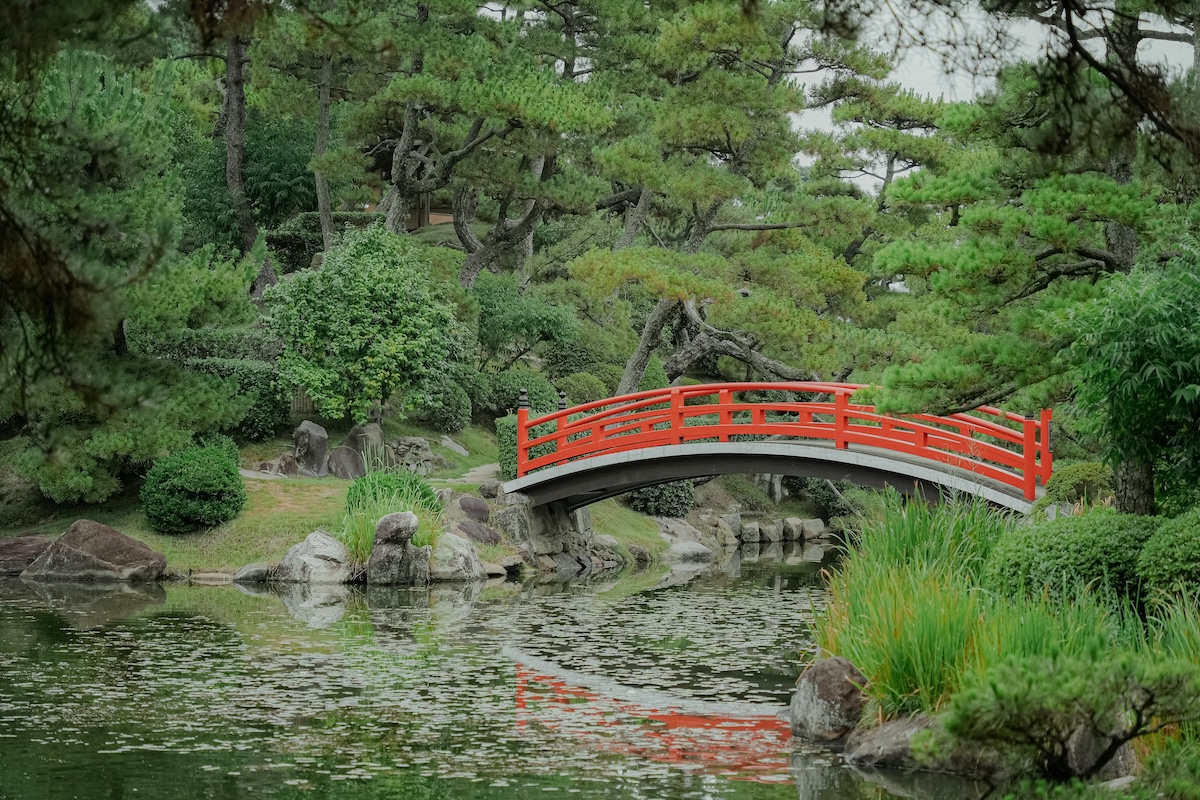 Photo by Johnny Ho on Unsplash
Kenkyo (謙虚) means being humble, or not putting yourself above others. In Japan, humility is often seen as a sign of a mature and respectful person.
There is a well-known Japanese saying that explains this idea: Minoru hodo koube wo tareru inaho kana. It means “The more the rice ripens, the lower it bows its head.” A rice plant full of grain naturally bends down. In the same way, people who have more skill or success are expected to stay humble, not show off.
You can see this attitude in many small, everyday moments.
“It’s Just a Small Thing”
When Japanese people give a gift, they often say Tsumaranai mono desu ga…, which means something like “It’s nothing special, but…” To some visitors, this sounds strange. Why would you say your gift is boring?
The point is not to put down the gift. It is a polite way of saying, “Please don’t feel like you owe me anything.” By making the gift sound small, the giver helps the other person accept it more easily. These days, many people prefer more positive phrases, like “I hope you like it,” but the humble spirit behind the old phrase still remains.
“Thanks to You”
If you ask a Japanese person how they are doing, they may answer Okagesama de, which means “Thanks to you, I’m doing well.” They might say this even if you didn’t actually do anything to help.
This phrase shows a humble way of looking at life. Instead of saying “I did it all by myself,” people recognize that their good days are supported by the people around them. It is a quiet way of sharing credit with others.
Cleanliness: Thinking of the Next Person
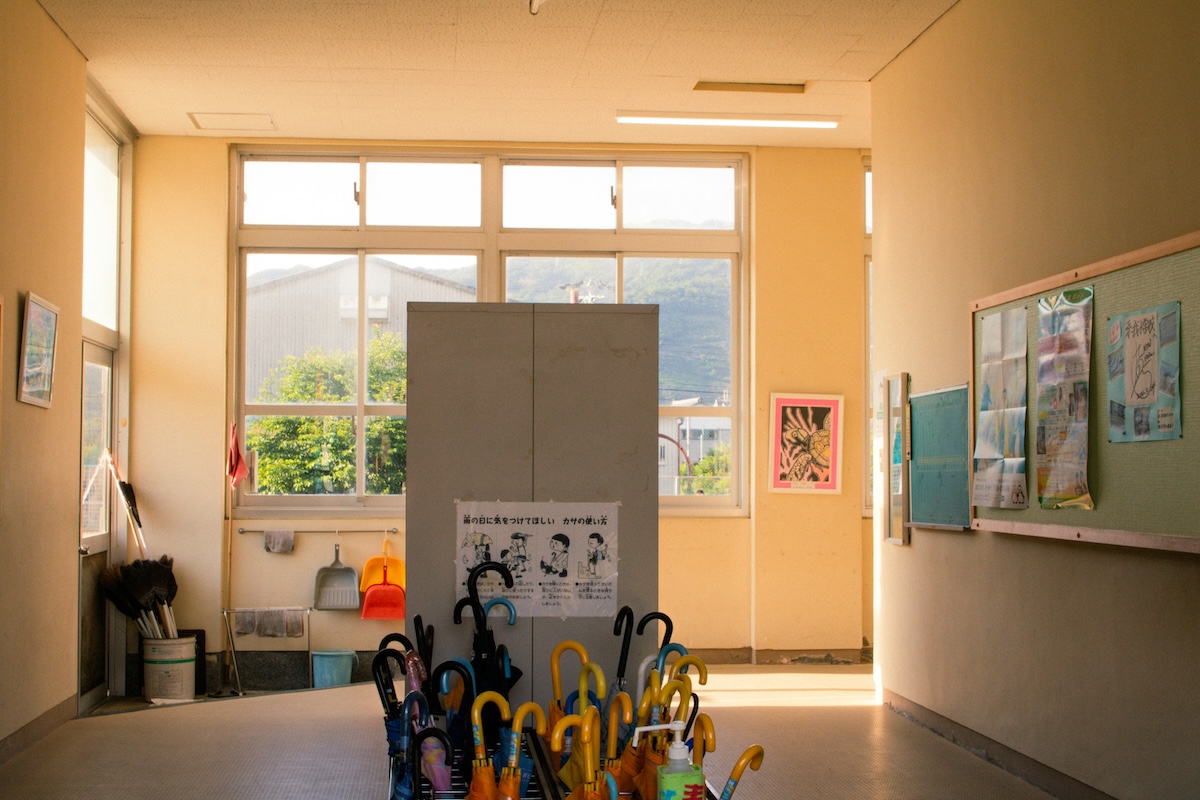 Photo by Rory Frasch on Unsplash
Many visitors say that Japan is one of the cleanest countries they have ever seen. But in Japan, being clean is not only about hygiene. It is also about respect for the people who will use the same space after you.
A Japanese saying puts this idea simply: Tatsu tori ato wo nigosazu. It means “A bird that leaves does not muddy the water behind it.” In other words, when you leave a place, leave it as clean as you found it, or even cleaner.
Here are some places where you can see this way of thinking.
The Seven-Minute Shinkansen Clean
When a shinkansen (bullet train) arrives at Tokyo Station, a cleaning team is already waiting on the platform. As soon as the passengers get off, the team moves in. In about seven minutes, they pick up trash, wipe the tables, check every seat, and turn all the seats to face the direction the train will go next.
Before and after the job, the cleaning staff line up and bow to the passengers. Their speed and care have become so famous that people from around the world come to watch them work.
Shoes Off, Slippers On
In Japanese homes, people take off their shoes at the entrance, called the genkan, and often change into indoor slippers. This keeps the dirt from outside away from the living space.
There’s one more step that surprises many visitors: a separate pair of slippers just for the bathroom. You switch into them when you go into the toilet and switch back when you come out. You’ll find this at many homes and ryokan, so if you see slippers waiting at the bathroom door, that’s what they’re for. Just remember not to wear them back into the hallway.
Cleaning Up After the Game
At big sports events, such as the World Cup, Japanese fans have made news around the world for picking up trash in the stands after the match. Even after an exciting game, many fans stay behind with garbage bags to clean their area. The players have done the same thing in their locker room, leaving it spotless and sometimes with a thank-you note.
For many Japanese people, this is not something special. It is simply what you do before you leave: you think about the next person who will use the space.
Living by the Seasons
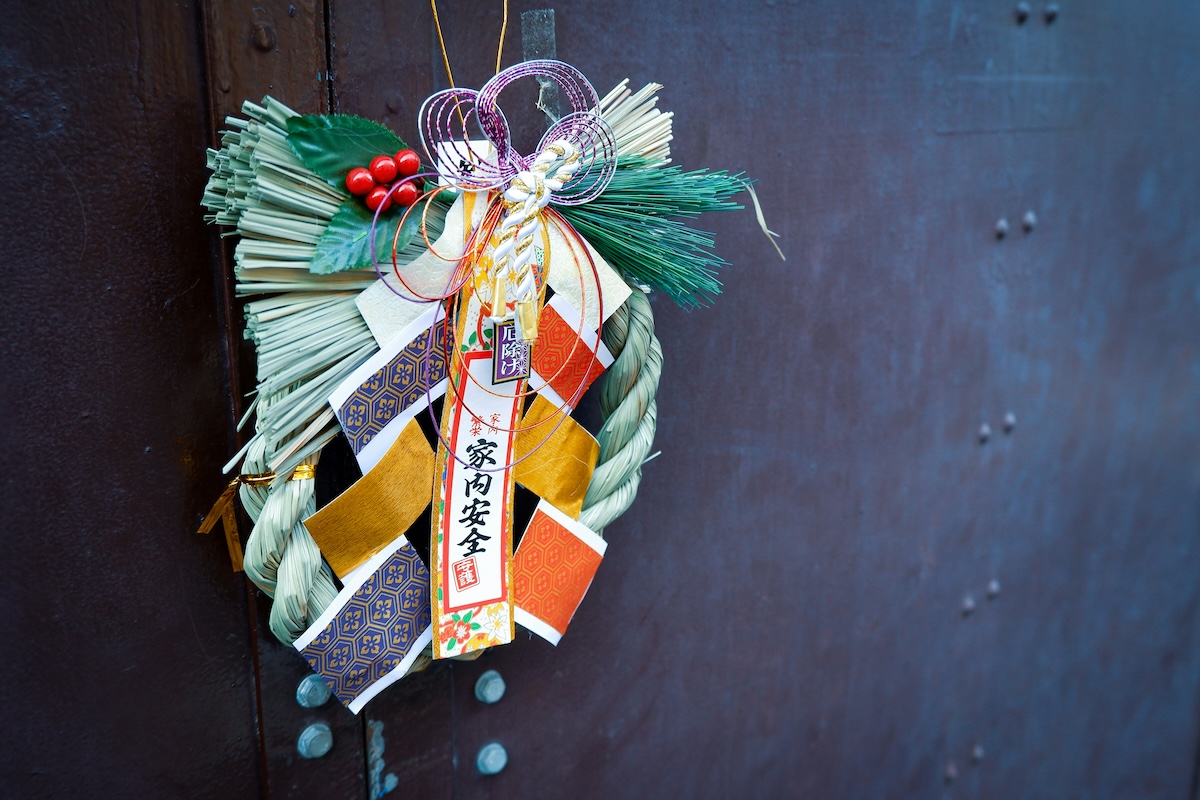 Photo by Susann Schuster on Unsplash
Japan has four clear seasons, and each one brings big changes in weather, food, and scenery. People in Japan pay close attention to these changes, and they love to enjoy each season while it lasts.
A good example is cherry blossom season in spring. Every year, the news shows a “cherry blossom forecast” that tells people when the flowers will bloom in each area. When the trees are in full bloom, friends, families, and coworkers gather under them for hanami (花見), or flower viewing, with food and drinks. The blossoms only last for about a week or two, and that short life is exactly what makes them feel so special.
Limited-Time Flavors Everywhere
In Japan, many products change with the seasons. In spring, you’ll find cherry blossom–flavored drinks and sweets. In autumn, shops fill up with chestnut, sweet potato, and pumpkin treats. Even convenience stores and fast-food chains offer seasonal menus that are only available for a few weeks.
These items are often labeled kikan gentei (期間限定), meaning “for a limited time only.” Part of the fun is knowing they won’t last, so people try them while they can.
Seasonal Decorations Around the Year
Throughout the year, homes and streets in Japan are decorated for different seasonal events. Each decoration carries a wish or a hope.
- Koinobori (鯉のぼり) in May: Colorful carp-shaped streamers fly in the wind for Children’s Day on May 5. Carp are known for swimming upstream, so they represent the wish for children to grow up strong and healthy.
- Tanabata (七夕) in July: On July 7, people write their wishes on small strips of colorful paper called tanzaku and hang them on bamboo branches. It is based on an old love story about two stars who can meet only once a year.
- Kadomatsu (門松) at New Year: Before the New Year, many homes and shops place decorations made of pine and bamboo at their entrance. They are believed to welcome the god of the New Year, who brings good luck for the year ahead.
These decorations appear for only a short time each year, and seeing them is one of the easiest ways to feel the season, even as a visitor.
Dōtoku: Where These Values Are Learned
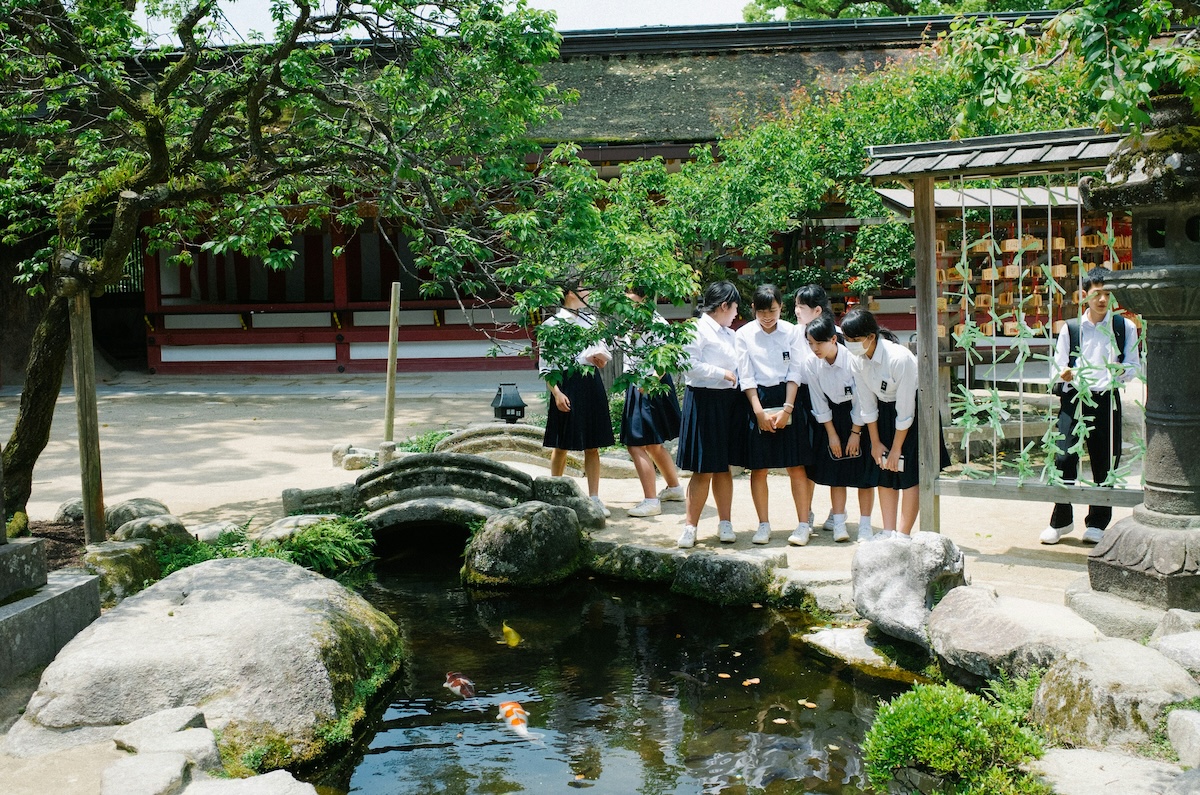 Photo by Jacob Plumb on Unsplash
After reading about all these customs, you might wonder: where do Japanese people learn them? Part of the answer is at home, by watching parents and grandparents. But another part is at school.
Japanese elementary and junior high schools have a class called dōtoku (道徳), which means “moral education.” It is not a religious class. Instead, it is a time for children to think about how to live well with other people.
A Class Like No Other
Many Japanese people remember dōtoku as a slightly unusual class. It wasn’t a Japanese language class, but students often read short stories together. After reading, the teacher would ask questions, and the class would share their opinions. What would you do in this situation? How do you think this character felt?
The stories were about everyday topics, such as being kind to others, telling the truth, following rules, helping someone in trouble, or caring for nature. There was rarely one “correct” answer. The goal was to think about other people’s feelings and talk about it together.
Lessons That Became “Normal”
For most Japanese people, the lessons from dōtoku simply feel like common sense. But as more and more visitors from around the world come to Japan and are surprised by everyday customs, many Japanese people have started to realize that these “normal” habits are actually a special part of their culture.
Thinking of others before yourself, keeping the harmony of a group, staying humble, and leaving a place clean for the next person — the ideas in this article are all things many Japanese children talk about in their classrooms. Over time, these lessons stop feeling like lessons. They simply become the way people live.
Summary
 Photo by Fabio Montello onUnsplash
Japanese customs can seem confusing at first. Why does a gift come with an apology? Why does no one take phone calls on the train? Why do fans stay behind to clean the stadium? But once you know the thinking behind them, these habits start to make sense.
Most of them come back to the idea we started with: kizukai, paying attention to how other people feel. Omotenashi shows it through careful service. Wa shows it by keeping the group comfortable. Kenkyo shows it by putting others first. Clean spaces show it by thinking of the next person. And the seasons remind people to slow down and enjoy each moment together.
As a visitor, you don’t need to follow every custom perfectly. Most Japanese people are happy simply to see you try. A small bow, a quiet voice on the train, or a simple arigatou can go a long way. When you understand the “why” behind these habits, you’ll notice them everywhere, and your trip to Japan will feel even more meaningful.